
A holistic picture; The rule of Three; 3 Parts of the One Stop Apothecary approach to wellness
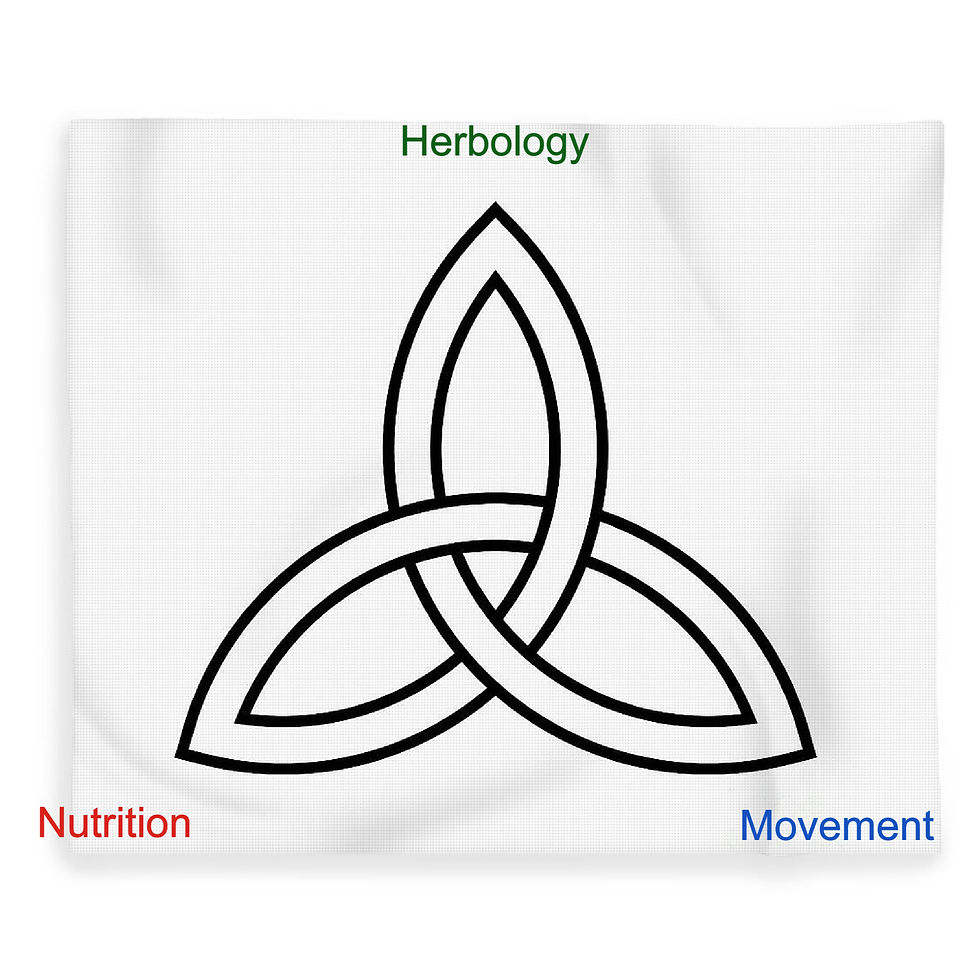
The rule of three (also known as the power of three or rule of threes) is a fundamental principle.
The rule of three taps into how our brains naturally seek patterns and completion. It states that ideas, concepts, characters, events, or elements presented in groups of three are inherently more satisfying. This works because three is the smallest number that can form a complete pattern or rhythm in the human brain.
Psychologically and anthropologically, our minds recognize and retain triads more easily—they provide brevity while delivering enough information to feel "complete" without overwhelming. This principle appears across cultures, from ancient writings (e.g., Aristotle) to modern advertising and speeches.
There are so many ways we group things in three's:
Spiritually
Father, Son, Holy Spirit
Everyday time
Past, Present, Future
Science & Nature
Proton, Neutron, Electron
Pop Culture
SpongeBob, Patrick, Squidward (sorry couldnt help myself)
When we instinctively group things in threes (“life, liberty, and the pursuit of happiness”; “Father, Son, and Holy Spirit”; “ready, set, go”), we are echoing the divine pattern imprinted on creation. The human mind finds three satisfying because our Creator is triune.
Herbology, Nutrition, and Movement: Three Components of the One Stop Apothecary's holistic vision.
To achieve comprehensive wellness and pursue holistic health, it is essential to integrate Herbology, Nutrition, and Movement into our approach, creating a complete whole.
Herbology is the study, knowledge, or practice involving whole herbs (plants valued for their medicinal, aromatic, culinary, or therapeutic properties), most commonly referring to the use of plants for health and healing. In practice, herbology is often used interchangeably with herbalism, botanical medicine, phytotherapy, or herbal medicine—the broad field of using whole plants, plant parts (leaves, roots, flowers, bark), creating extracts, teas, tinctures, salves, or infusions to support wellness, prevent illness, or treat conditions holistically.
Key Aspects of Herbology/Herbalism
Holistic approach: Treats the whole person (physical, emotional, spiritual) rather than isolated symptoms, often emphasizing balance, prevention, and the body's innate healing ability.
Historical roots: One of the oldest forms of medicine worldwide (e.g., ancient Egyptian papyri, Chinese herbology/TCM, Ayurvedic traditions in India, Native American and European/American folk practices).
Modern context: Blends traditional knowledge with scientific study (pharmacognosy: the study of medicinal drugs from plants). Many modern drugs (e.g., aspirin from willow bark, digoxin from foxglove) originated from herbal sources.
Common applications: Teas, tinctures, capsules, topical salves, essential oils, or culinary use for digestive support, immune boosting, stress relief, inflammation reduction, skin health, etc.
Practitioners: Called herbalists (or sometimes herbologists in niche contexts). They may be traditional, clinical, or folk practitioners—some self-taught, others formally trained.
Nutrition, whole, clean, and complete nutrition refers to a way of eating that prioritizes minimally processed, nutrient-dense foods in their natural or near-natural state. This approach is strongly supported by decades of research, including large cohort studies, randomized controlled trials, systematic reviews, and umbrella meta-analyses.
Together, whole + clean + complete equals an eating plan built on minimally processed, nutrient-dense, diverse real foods (often called whole-food omnivorous, flexitarian, or Mediterranean-style patterns when including animal products in moderation)
Pairing fresh herbs with these whole foods (e.g., herbal-infused olive oil over grilled fish/eggs, herbal teas, turmeric and black pepper on hard-boiled eggs) maximizes phytochemical synergies and nutrient density.
A whole, clean, complete approach — emphasizing minimally processed items while including clean (organic, non-gmo, pasture raised, no antibiotics) nutrient-rich animal foods like meats, fish, eggs, and dairy in moderation — aligns with the most consistent patterns for optimal health, disease prevention, and longevity.
Whole-food emphasis — Large bodies of evidence (e.g., NIH/PMC reviews, WHO-aligned guidelines) support dietary patterns that prioritize whole grains, legumes, vegetables, fruits, and limit refined starches, added sugars, red/processed meats, and ultra-processed foods. These patterns reduce risks of chronic diseases (CVD, diabetes, certain cancers) by providing fiber, micronutrients, antioxidants, and synergistic phytochemicals.
Clean/minimally processed focus — Studies show that reducing ultra-processed foods improves nutrient density and health outcomes, though "clean eating" labels themselves do not reliably correlate with superior nutrition unless they align with whole-food principles.
Complete nutrition — Involves meeting macro- and micronutrient needs through diverse, bioavailable sources. Evidence highlights the value of nutrient-dense foods (e.g., organ meats, fatty fish, fermented items) for completeness, especially when restricting food groups (as in your elimination approach).
Movement is one of the most powerful, evidence-based ways to support physical, mental, and emotional health across the lifespan. Regular movement—beyond just structured "exercise"—activates multiple systems: cardiovascular, musculoskeletal, neurological, endocrine, and immune. It reduces chronic disease risk, enhances mood, improves sleep, boosts cognitive function, and promotes longevity. Movement can include anything from
gentle morning stretching and breathing, gardening and easy walks up to and including martial arts, extreme sports and weight lifting. We are designed to move, make it a point in your daily schedule to do something physical.
Regular physical activity (meeting guidelines like 150+ minutes moderate or 75+ minutes vigorous per week) is linked to major health gains.
Strong evidence from umbrella reviews and meta-analyses shows exercise reduces all-cause mortality (13% risk reduction), Any regular movement helps; mix low- and high-impact for balanced benefits (e.g., cardio endurance + bone/muscle strength).
Breathing Practices (Deep/Diaphragmatic Breathing, Pranayama). Controlled breathing activates the parasympathetic nervous system ("rest and digest"), countering chronic stress.
Simple, accessible daily practice (5–20 minutes) yields rapid calming effects and long-term mental health support. Reduces heart rate, blood pressure, and cortisol; improves oxygenation, lung function, and vagal tone (heart-rate variability).
Massage and other body work modalities are effective adjuncts for pain, recovery, and stress relief. Different approaches like Myofascial Release, Acupressure/Trigger point, Deep Tissue and Swedish are just a couple examples. Massage/bodywork involves manual manipulation of soft tissues.
Improves muscle recovery post-exercise (especially in athletes), reduces fatigue/perception of fatigue, and supports overall well-being. Minimal safety concerns when performed by trained practitioners. Moderate-certainty evidence from multiple meta-analyses shows massage reduces chronic low back pain, fibromyalgia pain, myofascial pain, cancer-related pain, and general musculoskeletal pain.
Martial Arts (Taekwondo, Kenpo, Hapkido, and Tai Chi, Ci Gong etc.) combine movement, breath control, balance, strength, and mental focus.
General Martial Arts Benefits — Systematic reviews show positive effects on balance, cognitive function, psychological health (reduced anxiety/depression, improved mood/self-esteem), cardiovascular fitness, flexibility, and muscular strength. Hard styles (contact-based) improve/maintain functional fitness in adults/elderly; benefits occur regardless of starting age. Soft (minimal contact) are Low-impact, flowing movements with deep breathing/mindfulness. Strong evidence for fall prevention, improved balance/flexibility, cardiorespiratory fitness, cognitive function, reduced anxiety/depression, and better quality of life
These movement forms overlap synergistically: exercise builds the foundation, breathing enhances recovery/mindfulness, massage aids tissue health, and martial arts integrate everything (physical challenge + mental focus + breath). Combined, they reduce inflammation, boost endorphins/serotonin, improve sleep, strengthen immunity, and foster resilience. Start where you are—consistency matters more than intensity. For older adults or those with conditions, low-impact/Tai Chi + breathing + occasional massage often yield the safest, broadest gains.
Keeping these three aspects in mind daily and incorporating them into your life allows you to address life's gradual wearing away at our homeostasis. Start with the easiest most enjoyable examples from each part of the triad. Small consistently forward steps will lead to a completeness in your approach to an overall wholistic strategy for complete well being. Be patient, be consistent, be mindful. Get informed, avoid social media fads, have fun. Peace.
All information herein is intended for general information purposes only. It is in no way intended to diagnose, treat or prescribe any medical conditions. Individuals should always seek their health care provide before administering any suggestions stated above. The author is not responsible for any adverse effects or consequences resulting from use of any of the suggestions or preparations listed herein. Any application of the material herein is at the readers discretion and is his or her sole responsibility.
These statements have not been evaluated by the FDA. This information or product(s) listed are not intended to diagnose, treat, cure, or prevent disease.



Comments