
Colloidal silver, the fact, the myth and the fad
Colloidal silver has sparked curiosity and controversy for decades. Some claim it offers powerful health benefits, while others warn of serious risks.
Colloidal silver has surged in popularity as a natural health remedy, especially in alternative and wellness circles. Promoted online as everything from an immune booster to a cure for infections, cancer, and more, it promises broad antimicrobial power without the downsides of conventional medicine. Yet major health authorities, including the U.S. Food and Drug Administration (FDA) and the National Center for Complementary and Integrative Health (NCCIH), warn that it lacks evidence for most claimed benefits and carries real risks—Kidney damage, liver issues, nervous system problems, seizures, and interference with absorption of certain medications. Most notably, Argyria – a permanent skin discoloration.
The romanticized notion that our ancestors used it so its 'safe' and 'natural' are nothing more than a sales tactic. The "our ancestors used it, so it must be safe and effective" argument is a classic marketing gimmick for many alternative remedies, including colloidal silver. It sounds appealing and taps into nostalgia for "natural" traditions, but it falls apart under scrutiny.
We’ll explore the facts about what colloidal silver actually is and its legitimate medical history, debunk persistent myths with scientific evidence, and examine the modern fad - driven by marketing, internet culture, and distrust of mainstream medicine. By the end, you’ll have a clear, evidence-based picture to make informed decisions.

What is colloidal silver?
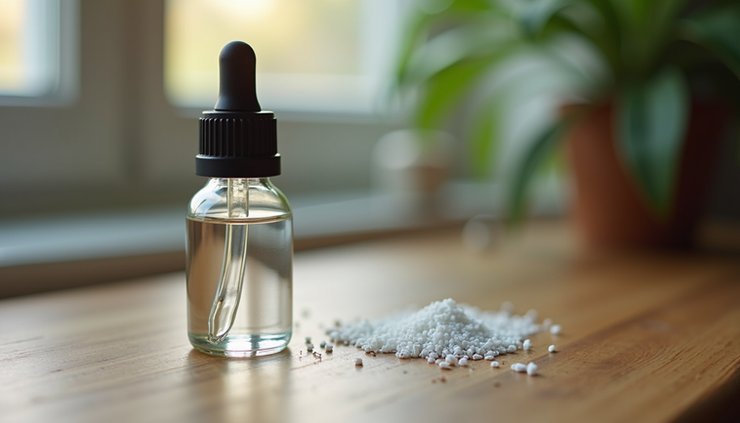
Colloidal silver is a suspension of tiny silver particles in a liquid, usually water. These particles are so small they remain evenly dispersed without settling quickly. Historically, silver has been used for its antimicrobial properties, long before modern antibiotics existed.
Silver itself is a naturally occurring metal with a long history of use. In its ionic form (Ag⁺), it exhibits antimicrobial properties by disrupting bacterial cell membranes, interfering with enzymes and DNA, and inhibiting biofilm formation. This oligodynamic effect (toxicity to microbes at low concentrations) is real and has been exploited medically for over a century. However, the human body has no known biological need for silver—it is not an essential mineral and serves no physiological function.
People have used colloidal silver in various forms: as a dietary supplement, topical treatment, or even inhaled mist. The idea is that silver particles can kill bacteria, viruses, and fungi, helping to treat infections or boost immunity.
Historical Facts and Legitimate Medical Uses
Silver’s medicinal story stretches back thousands of years. Ancient civilizations used silver vessels to store water and wine, believing it preserved freshness (a partial truth due to antimicrobial effects).
In the late 19th and early 20th centuries—before widespread antibiotics—colloidal silver preparations were used for infections, wounds, and eye conditions.
Notable legitimate applications include:
Silver nitrate drops (Credé’s method, introduced in the 1880s) to prevent gonorrheal eye infections in newborns. This dramatically reduced cases of ophthalmia neonatorum.
Silver sulfadiazine cream, still used today for burn wounds to prevent infection.
Silver-impregnated wound dressings, catheters, and medical devices that release silver ions to reduce bacterial colonization in hospitals.
These successes rely on controlled, topical delivery of silver compounds in regulated products. The antimicrobial action is contact-based and most effective on surfaces or open wounds. Internal use was explored historically but largely abandoned with the advent of safer, targeted antibiotics in the mid-20th century.
Modern evidence supports narrow roles for silver in wound care. Some reviews note that properly formulated topical silver products (around 50–70 ppm in certain contexts) can help manage bioburden in chronic ulcers or burns, with in-vitro activity against bacteria like MRSA and Pseudomonas. However, large-scale randomized controlled trials are limited, and silver is an adjunct, not a first-line standalone treatment.
The facts about colloidal silver
The Science: What Actually Works
Silver does have some antimicrobial effects. In medical settings, silver compounds are used in wound dressings and coatings for medical devices to reduce infection risk. This is a well-established use supported by scientific research.
Silver’s mechanism is primarily ionic. When silver particles or compounds interact with moisture or biological fluids, they release Ag⁺ ions that bind to sulfur-containing proteins in microbes, disrupting respiration and replication. Nanoparticles may offer prolonged release due to their surface area.
This explains why silver works topically against certain pathogens in lab settings and some clinical wound applications. It has broad-spectrum activity against bacteria, some fungi, and limited antiviral effects in vitro.
However, the effectiveness of colloidal silver taken orally or applied directly to the body is far less clear. The U.S. Food and Drug Administration (FDA) does not approve colloidal silver for any medical use. The National Center for Complementary and Integrative Health states there is no reliable evidence that colloidal silver is safe or effective for treating any disease.
Internal human use is problematic:
The body absorbs and distributes silver systemically with chronic exposure.
There is no strong clinical trial evidence that oral or inhaled colloidal silver effectively treats systemic infections, boosts immunity, or combats viruses like those causing colds or COVID-19.
Silver can affect human cells similarly to microbes at higher concentrations, raising toxicity concerns.
Gut microbiome disruption is a potential downside with internal use.
NCCIH summarizes it plainly: Evidence supporting health-related claims for colloidal silver supplements is lacking, and silver has no known benefits when taken by mouth.
Some studies show that silver ions can kill bacteria in lab settings, but this does not automatically translate to safe or effective treatment in humans. The body does not absorb silver well, and excessive intake can lead to silver buildup in tissues.
The difference between Colloidal Silver and a true Silver Ionic solution
The distinction between dissolved silver ions (a true solution) and silver colloids (suspended particles) is important for understanding how these products behave chemically, biologically, and in terms of safety/efficacy. It directly affects marketing claims, product behavior in the body, and why "colloidal silver" is often presented as somehow different or superior.
Quick Definitions
Dissolved silver ions (true solution/ionic silver): Silver salts (e.g., silver nitrate, silver acetate) fully dissociate in water into individual Ag⁺ ions. These are tiny, fully dissolved, and behave like any other dissolved electrolyte (e.g., table salt in water).
Silver colloid (colloidal silver): Microscopic or nanoscale particles of metallic silver (Ag⁰) or mixtures suspended in liquid. The particles (typically 1–1000 nm, often <100 nm for "nanosilver") do not dissolve but remain dispersed due to Brownian motion and electrostatic repulsion.
Many commercial "colloidal silver" products are actually mixtures containing both particles and free ions, and the exact ratio can vary by manufacturing method and age of the product.
Why the Comparison Matters
1. Bioavailability, Reactivity, and Ion Release
Ionic silver delivers Ag⁺ ions immediately and in high concentration. This makes it more potently antimicrobial on contact (faster disruption of microbial proteins/enzymes).
However, free ions are also more reactive with biological tissues right away, potentially leading to quicker local irritation or higher acute systemic absorption if ingested.
Colloidal particles act as a reservoir — they release ions more slowly as the particles interact with fluids, cells, or light. This can provide prolonged antimicrobial action in some applications (e.g., wound dressings), but it also means particles can circulate or deposit intact before fully dissolving.
In the body, this can lead to different distribution patterns: particles may be taken up by macrophages or accumulate in tissues (skin, liver, kidneys) where they slowly leach ions over time.
2. Safety and Accumulation Risks
This is the core practical importance in the colloidal silver debate.
Both forms can cause argyria and systemic accumulation because silver (whether ionic or particulate) binds to proteins and deposits in tissues.
Colloidal particles may persist longer and be more likely to cause visible, permanent discoloration because undissolved metallic silver particles are what primarily create the slate-gray/blue pigment under the skin (especially when reduced by light).
Ionic forms might clear faster or cause more immediate toxicity (e.g., higher blood levels quickly), while colloids contribute to chronic, low-level exposure. Many real-world argyria cases involve products labeled "colloidal" because users take them long-term expecting the "gentler" particle form.
The body has limited mechanisms to excrete silver, so both contribute to buildup, but the particle form can lead to more visible, localized deposits.
3. Marketing and "True Colloidal" Claims
Manufacturers often emphasize "true colloidal silver" (high particle content, low ionic) as safer, more stable, or more effective than "ionic silver" or silver salts. They claim particles are less toxic because they release ions gradually and don't "overwhelm" the system. In reality:
The distinction is often overstated or misleading. Many products are hybrids, and testing shows wide variability.
Regulatory bodies (FDA, etc.) treat them similarly regarding safety warnings because chronic exposure to silver from any form carries risks.
"True colloidal" marketing can give users false reassurance that their product won't cause argyria or other issues, which is not supported by case reports.
4. Efficacy in Practice
Topical/wound use: Both ionic and colloidal forms can work, but controlled-release from particles or dressings is often preferred in medical products.
Internal use: Neither has strong clinical evidence. Ionic might act faster but with higher risk; colloidal might linger but still doesn't translate to proven systemic benefits in humans. Absorption, distribution, metabolism, and excretion (ADME) profiles differ, making direct comparisons tricky without specific product data.
In the broader context of the colloidal silver fad, the comparison is frequently weaponized to sell products as "superior" while downplaying that all forms of bioavailable silver can lead to the same core problem: the body accumulating a heavy metal it has no biological use for.
Why traditional usage declined
Internal colloidal silver declined because antibiotics and modern medicine offered superior efficacy, safety, and reliability for the conditions it was used for. Silver didn't disappear—it evolved into niche topical tools where localized antimicrobial action is beneficial without high systemic exposure.
This shift reflects evidence-based progress: when something better, safer, and more targeted comes along, older remedies with known drawbacks are deprioritized. Today, the resurgence of colloidal silver supplements is largely a fad driven by marketing rather than new evidence of superiority.
Primary Reasons for the Decline
Emergence of Modern Antibiotics
The biggest driver was the discovery and mass production of antibiotics starting in the 1940s (penicillin, then streptomycin, tetracyclines, etc.).
Pre-antibiotic era doctors used silver preparations (including colloidal forms) because they had few options. Once antibiotics proved superior for most bacterial infections, silver use shifted almost entirely to topical applications.
Growing Evidence of Toxicity and Accumulation
As medical understanding improved, more cases of argyria (permanent blue-gray discoloration) and other issues (kidney/liver strain, neurological effects in high/chronic exposure) were documented. Silver is not metabolized or excreted efficiently, so repeated internal doses lead to buildup in skin, organs, and tissues. This became unacceptable when safer systemic therapies existed. Regulatory bodies later formalized these concerns (e.g., FDA's 1999 ruling).
Lack of Strong Clinical Evidence for Efficacy
While silver has in-vitro antimicrobial properties, rigorous human trials for internal colloidal silver showed inconsistent or no benefits for systemic infections. It was largely replaced because it didn't outperform (and often underperformed) the new alternatives in real-world outcomes.
Improved Diagnostics and Medicine Overall
Better understanding of infections (bacterial vs. viral vs. fungal), targeted therapies, vaccines, and supportive care reduced reliance on broad, non-specific agents like silver.
Common myths about colloidal silver
Many claims about colloidal silver are not supported by science. Myths around colloidal silver persist because of anecdotal reports, selective historical references, and aggressive, misleading marketing. Here are the most common ones, examined against evidence:
Myth: Colloidal silver cures infections and diseases.
There is no scientific proof that colloidal silver cures infections, cancer, or other diseases. Antibiotics and approved treatments remain the best options.
Myth: “It boosts the immune system and cures hundreds of conditions.”
Claims range from colds and sinus infections to cancer, HIV, and diabetes. The FDA has noted marketing for up to 650 conditions with no substantial scientific backing. Silver has no role in normal immune function. The immune system is complex, and silver does not play a known beneficial role.
Myth: Colloidal silver is completely safe.
Silver accumulation is a documented risk. The most visible consequence is argyria. Long-term or high-dose use can cause argyria, a permanent blue-gray discoloration of the skin. Silver can also accumulate in organs, potentially causing harm. Case studies include kidney damage, liver issues, neurological problems (seizures, neuropathy), and interference with medications like certain antibiotics and thyroid hormones.
Myth: Natural means safe.
Just because colloidal silver is marketed as natural does not guarantee safety or effectiveness.
Myth: “It’s been used safely for centuries, so modern versions are fine.”
Historical use was mostly topical or limited. Internal colloidal silver declined for good reasons once better alternatives emerged. The FDA’s 1999 final rule declared over-the-counter products containing colloidal silver or silver salts not generally recognized as safe and effective for many uses, citing insufficient data on absorption, accumulation, and efficacy.
Myth: “It’s safer and more effective than antibiotics-Bacteria can’t develop resistance.
While resistance to silver is less common than to antibiotics, it is not impossible, and silver does not selectively spare beneficial bacteria. Clinical evidence for treating internal infections orally is absent. It cannot replace proven antibiotics for serious bacterial infections.
Myth: “Nanoparticles make it uniquely safe and powerful.”
Smaller particles may actually penetrate tissues more easily, potentially increasing systemic absorption and risks rather than reducing them. Nanoparticle forms require the same caution.
Myth: “Argyria only happens with homemade or high-dose products.”
Cases have occurred with commercial products too. Independent testing often reveals discrepancies between labeled and actual silver content—sometimes significantly higher. Product quality varies widely, and even low daily doses accumulated over months or years can trigger argyria. Reference doses to minimize risk are extremely low (around 5–6.5 mcg/kg body weight per day per EPA/WHO guidelines).
Myth: “It’s FDA-approved or GRAS.”
The opposite is, in fact, true. The 1999 FDA rule made many colloidal silver products misbranded if they make disease-treatment claims. The agency has issued warnings and taken action against companies. Dietary supplements cannot legally claim to treat or prevent disease. Similar restrictions exist in the EU and elsewhere.
Why colloidal silver remains a fad
The contemporary colloidal silver boom took off in the 1990s alongside the rise of the internet and alternative medicine. DIY generators became affordable, and websites promoted it as a “natural antibiotic” free from pharmaceutical influence. Books, forums, and social media amplified anecdotal success stories while downplaying risks.
Despite warnings, colloidal silver continues to attract followers. Several factors explain its ongoing popularity:
Marketing exploits several factors:
Historical use and anecdotal reports.
Silver’s long history as an antimicrobial agent gives it an aura of credibility. Personal stories of benefits spread quickly online.
Distrust of conventional medicine and “Big Pharma.”
Some people turn to colloidal silver when dissatisfied with standard treatments or seeking alternative options.
Marketing and Easy online availability and relatively low cost.
Colloidal silver products are widely sold online and in health stores, often with exaggerated claims.
Desire for simple, “natural” solutions
Many prefer “natural” products, believing they are gentler or safer than pharmaceuticals.
Claims of broad-spectrum action without side effects.
Products are marketed for nebulizing, nasal use, or even intravenous administration—routes with even less safety data and higher risk.
During health crises like COVID-19, claims resurfaced despite explicit FDA warnings against using it for prevention or treatment
Confusion between legitimate and unregulated supplements.
Topical silver medical products do have verified uses whereas supplements for internal use do not.
Risks and safety concerns
Using colloidal silver without medical supervision carries risks:
Argyria
This irreversible skin discoloration occurs when silver accumulates in the skin. It is rare but well-documented.
Organ damage
Silver can build up in the liver, kidneys, and nervous system, potentially causing toxicity.
Interactions with medications
Silver may interfere with absorption of certain drugs, reducing their effectiveness.
Lack of regulation
Supplements are not tightly regulated, so product quality and silver concentration vary widely.
What to consider before using colloidal silver
If you are thinking about trying colloidal silver, keep these points in mind:
Consult a healthcare professional before use, especially if you have health conditions or take medications.
Avoid long-term or high-dose use to reduce risk of argyria and toxicity.
Be skeptical of products making bold health claims without scientific backing.
Understand that approved treatments are safer and more effective for infections and illnesses.

Alternatives to colloidal silver for health
For those interested in natural health support, consider safer options:
Proper hygiene and wound care
Clean wounds with approved antiseptics and keep them covered.
Balanced diet and hydration
Support immune health with nutritious foods and plenty of water.
Medical treatments
Follow medical advice for infections. Consider recommended vaccines (with caution)
Herbal supplements with evidence
Some herbs like echinacea or elderberry have documented modest immune benefits.
Weighing the Evidence
For topical wound care in specific medical contexts, silver compounds have a evidence-supported (if limited) role as part of comprehensive treatment under professional supervision.
For internal/oral use as a general supplement or infection fighter, the evidence is weak to nonexistent for efficacy, while risks are well-documented through case reports, toxicology data, and regulatory reviews.
Silver accumulation is dose- and time-dependent; stopping use prevents worsening but does not reverse deposits like those causing argyria.
Pregnant women, children, and those with organ impairment face heightened risks. Animal studies raise additional concerns about developmental effects and tissue penetration of nanoparticles.
Conclusion and Practical Advice
Colloidal silver illustrates a classic tension between historical observation, plausible mechanisms, and rigorous modern evidence. The antimicrobial facts are real in the right context. The myths—that it is a risk-free cure-all safe for internal consumption—do not hold up. The fad thrives on hope, marketing, and selective storytelling rather than comprehensive clinical data.
If you’re considering colloidal silver:
Distinguish between regulated medical silver products (e.g., certain wound dressings or burn creams prescribed or recommended by doctors) and unregulated dietary supplements.
Internal use carries documented risks, including permanent cosmetic changes and potential organ effects.
For infections or health concerns, consult a qualified healthcare provider. Evidence-based treatments exist for most conditions colloidal silver is marketed for.
Focus on proven foundations of health: vaccination where appropriate, hygiene, nutrition, sleep, and exercise.
Alternative remedies can feel empowering, but when claims outpace evidence and risks are downplayed, caution is warranted. Science evolves, but current consensus from regulatory and medical bodies is clear: colloidal silver supplements are not a substitute for proven medicine.
Colloidal silver has a long history and some antimicrobial properties, but its use as a health supplement is not supported by strong scientific evidence. It carries risks like permanent skin discoloration and organ damage. Despite this, it remains popular due to historical reputation, marketing, and desire for natural remedies.
Stay curious, demand evidence, and prioritize safety. If you consider colloidal silver, talk to a healthcare professional and be cautious. Safer, proven treatments exist for infections and immune support. Understanding the facts helps avoid myths and make informed health choices. Peace
All information provided on this website, including blog posts, articles, and any related content, is for general informational and educational purposes only. It is not intended to diagnose, treat, prescribe, cure, mitigate, or prevent any medical condition or disease. Always consult a qualified healthcare provider before making any changes to your health regimen, including the use of herbs, teas, foods, or supplements discussed here. The author is not a licensed medical professional, and this content does not replace professional medical advice, diagnosis, or treatment. The author and One Stop Apothecary are not responsible or liable for any adverse effects, consequences, or outcomes resulting from the application or use of any suggestions, preparations, or information presented herein. Any use of this material is at the reader's own discretion and sole responsibility. These statements have not been evaluated by the Food and Drug Administration (FDA). This information is not intended to diagnose, treat, cure, or prevent any disease.
References and Sources
Here is a compiled list of the primary sources referenced or drawn upon for factual accuracy, regulatory information, case reports, and reviews. I prioritized official, peer-reviewed, or reputable medical/government sites.
NCCIH – Colloidal Silver: What You Need To Knowhttps://www.nccih.nih.gov/health/colloidal-silver-what-you-need-to-know(Official summary on definition, safety, effectiveness, and lack of evidence for claims.)
WebMD – Colloidal Silver: Is It Safe?https://www.webmd.com/vitamins-and-supplements/colloidal-silver-safe(Detailed overview of risks, side effects including argyria, product variability, and distinctions between topical vs. internal use.)
FDA – Over-the-Counter Drug Products Containing Colloidal Silver Ingredients or Silver Salts (Final Rule, 1999)https://www.govinfo.gov/content/pkg/FR-1999-08-17/html/99-21253.htm(Key regulatory document declaring many colloidal silver products not GRAS/E and misbranded.)
Memorial Sloan Kettering Cancer Center – Colloidal Silverhttps://www.mskcc.org/cancer-care/integrative-medicine/herbs/colloidal-silver(Clinical summary, purported uses vs. evidence, side effects, and contraindications including pregnancy.)
Poison Control – What is Colloidal Silver? Is It Safe?https://www.poison.org/articles/what-is-colloidal-silver(Clear guidance on risks, argyria explanation, and lack of efficacy.)
Cleveland Clinic – What You Should Know About Colloidal Silverhttps://health.clevelandclinic.org/is-colloidal-silver-safe(Physician perspective on risks, FDA stance, and why internal use should be avoided.)
Quackwatch – Colloidal Silver: Risk Without Benefithttps://www.quackwatch.org/PhonyAds/silverad.html(Historical context, case examples, and critique of marketing claims.)
StatPearls (NCBI) – Silver Toxicityhttps://www.ncbi.nlm.nih.gov/books/NBK604211/(Toxicology review covering accumulation, argyria, systemic effects, and exposure routes.)
ConsumerLab – Is Colloidal Silver Helpful for Any Conditions?https://www.consumerlab.com/answers/is-colloidal-silver-helpful-for-any-conditions/colloidal-silver/(Product quality testing, clinical evidence gaps, and specific risk details.)
Health Feedback – Colloidal Silver Does Not Treat Infections When Taken Orallyhttps://healthfeedback.org/claimreview/colloidal-silver-does-not-treat-infections-when-taken-orally-and-can-cause-side-effects/(Fact-check style analysis of claims vs. evidence.)
Historical Decline, Alternatives, and Romanticization Debunk
FDA Federal Register – 1999 Final Rule on Colloidal Silverhttps://www.govinfo.gov/content/pkg/FR-1999-08-17/html/99-21253.htm(Regulatory context for decline and lack of evidence.)
Quackwatch – Colloidal Silver: Risk Without Benefithttps://www.quackwatch.org/PhonyAds/silverad.html(Historical timeline and reasons for decline.)
Ionic vs. Colloidal Distinction & General Safety
NCCIH – Colloidal Silver: What You Need To Knowhttps://www.nccih.nih.gov/health/colloidal-silver-what-you-need-to-know(Core overview of forms, lack of internal benefits, and risks.)
WebMD – Colloidal Silver: Is It Safe?https://www.webmd.com/vitamins-and-supplements/colloidal-silver-safe(Details on ionic vs. particulate differences, product variability, and safety.)
Purest Colloids – Colloidal Silver: Ions vs. Particleshttp://www.mesosilver.com/silver_content.php(Manufacturer perspective on forms, but useful for understanding common distinctions and evaporation behavior.)
Additional Supporting References (for wound care context, pregnancy risks, and case reports):
Reviews on topical silver in wound care (e.g., Medical Independent summary of evidence).
ECHA and animal studies on developmental toxicity (placental transfer concerns).
Individual case reports in journals like Annals of Dermatology, American Journal of Industrial Medicine, and others documenting argyria from commercial/homemade products.
These sources were accessed and cross-referenced for the blog content. For the most current information, visit the linked pages directly, as guidelines can be updated. Government and academic sites (FDA, NCCIH, NCBI) provide the strongest primary evidence base.



Comments