
Joint Pain Relief Naturally: Top Anti-Inflammatory Foods, Tonic Herbs & Wholistic Strategies
Joint pain affects millions of people worldwide, often due to chronic inflammation from conditions like osteoarthritis, rheumatoid arthritis, or everyday wear and tear., this may lead to discomfort, reduced mobility, and a lower quality of life. While medications can help manage symptoms, many people seek natural ways to reduce inflammation and ease pain. If you're searching for anti-inflammatory foods for joint pain, natural remedies, or wholistic ways to reduce stiffness and swelling, you're in the right place. Research shows that certain whole clean nutrition changes, targeted tonic herbs, physical movement, mindful breathing, prayer, and quality sleep can help your body address joint inflammation naturally. These strategies are backed by research and can complement conventional care. This post explores how incorporating these wholistic strategies into your life can support joint health and potentially ease arthritis symptoms.

Understanding Inflammation and Joint Pain
Inflammation is the body’s natural response to injury or infection, but chronic inflammation can damage joints and worsen arthritis symptoms. Arthritis, including osteoarthritis and rheumatoid arthritis, involves inflammation that causes pain, stiffness, and swelling in the joints. Reducing inflammation can help relieve these symptoms and improve joint function.
Chronic inflammation drives joint damage by elevating cytokines and markers like CRP (C-reactive protein). Poor diet, stress, inactivity, and sleep deprivation worsen this cycle. Conversely, an anti-inflammatory diet rich in whole foods may lower these markers and ease symptoms.
Inflammation is your body's protective response, but when chronic, it contributes to joint degradation. Pro-inflammatory cytokines and markers like CRP and interleukin-6 rise in conditions like arthritis. Lifestyle factors—poor diet, inactivity, stress, and sleep deprivation—fuel this cycle, while anti-inflammatory choices can help interrupt it.
Research supports that dietary and lifestyle interventions reduce inflammatory markers and improve symptoms. A Mediterranean-style anti-inflammatory diet, rich in plants, healthy fats, and omega-3s, shows promise for arthritis management.
Certain compounds in foods and herbs can block inflammatory pathways in the body. For example, omega-3 fatty acids and curcumin (found in turmeric) have been studied for their ability to reduce the production of cytokines—molecules that promote inflammation. Including these anti-inflammatory agents in your diet may support joint health over time.
Whole Clean Nutrition: The Foundation
Whole clean nutrition emphasizes minimally processed foods that nourish without adding inflammatory burdens. Eating a balanced diet rich in anti-inflammatory foods can help manage joint pain. Here are some key foods to consider. Prioritize:
Fatty Fish
Aim for 2–3 servings weekly. Salmon, mackerel, sardines, and trout are rich in omega-3 fatty acids EPA and DHA.. Regular consumption has been found to reduce joint swelling, morning stiffness, and inflammatory proteins. These fats reduce inflammation by interfering with cytokine production. Studies show that people who consume more omega-3s often report less joint pain and stiffness.
Leafy Greens
Spinach, kale, and Swiss chard contain antioxidants and vitamins that protect joints from damage. They also provide fiber, which supports gut health and may reduce systemic inflammation.
Colorful fruits and vegetables
Berries (especially cherries and blueberries), leafy greens (spinach, kale), tomatoes, and bell peppers provide antioxidants like anthocyanins and vitamin C that combat oxidative stress and inflammation. Nightshades can be a trigger for some individuals.
Blueberries, strawberries, and raspberries are high in antioxidants called flavonoids. These compounds help neutralize free radicals that contribute to inflammation.
Nuts and Seeds
Walnuts, almonds, flaxseeds, and chia seeds provide healthy fats and antioxidants. Flaxseeds and chia seeds are also good sources of plant-based omega-3s.
Healthy fats
Extra virgin olive oil , avocados.
Extra virgin olive oil contains oleocanthal, a compound with anti-inflammatory effects similar to some non-steroidal anti-inflammatory drugs (NSAIDs).
Whole Grains
Whole grains and legumes: Quinoa, oats, beans—fiber-rich options that support gut health and stable blood sugar, indirectly reducing inflammation. Brown rice, quinoa, and oats provide fiber and nutrients that help reduce inflammation compared to refined processed grains.
Avoid or minimize processed foods
Refined sugars, trans fats, and excessive red/processed meats, can exacerbate inflammation. Studies link higher anti-inflammatory food intake to better pain scores and physical function.

Tonic Herbs: Nature’s Most Powerful Anti-Inflammatory Allies
Tonic herbs build long-term resilience while directly targeting inflammation — a key component of any natural joint pain protocol. Many have deep roots in Ayurvedic, TCM systems, Eclectic and North American Indigenous practices.
Herbs have been used for centuries to treat inflammation and joint pain. Modern research supports some of these traditional uses:
Turmeric (Curcumin)
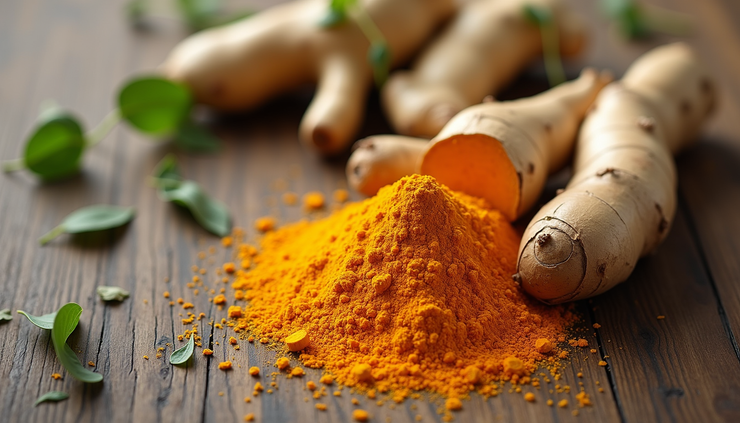
One of the most researched herbs for joint pain. Meta-analyses confirm it reduces osteoarthritis pain and improves function similarly to NSAIDs (500–1,000 mg standardized extract daily with black pepper/piperine for absorption). Curcumin is the active compound in turmeric responsible for its bright yellow color and anti- inflammatory effects. It blocks cytokines and enzymes that cause inflammation. Taking turmeric with black pepper enhances curcumin absorption.
Ginger
Ginger contains gingerols and shogaols, compounds that reduce inflammation and may relieve arthritis pain. It can be consumed fresh, as a tea, or in supplement form.
Boswellia (Frankincense)
Clinical trials show significant reductions in knee pain and improved mobility within weeks. Boswellia serrata extract inhibits inflammatory enzymes and has shown promise i in reducing joint swelling and pain in clinical studies.
Green Tea
Rich in polyphenols like EGCG, green tea has antioxidant and anti-inflammatory properties that may protect joints.
Rosemary
Rosemary contains rosmarinic acid, which has been found to reduce inflammation and pain in arthritis models.
Willow Bark (Salix spp.)
A classic North American native herb long used by Indigenous peoples for pain relief and inflammation. It contains salicin, a natural precursor to aspirin. Clinical studies and meta-analyses support its use for osteoarthritis, showing moderate pain reduction and improved physical function. It acts as a gentle anti-inflammatory and analgesic but should be used cautiously by those sensitive to aspirin or on blood thinners.
Stinging Nettle (Urtica dioica)
Widely distributed across North America and traditionally employed by many Native American tribes for joint and muscle pain (often via topical stinging or internal tea). Randomized controlled trials have demonstrated that topical application of stinging nettle leaves can significantly reduce pain and disability in osteoarthritis, particularly in the hands and knees, with good tolerability.
Other Supportive Tonics
Ashwagandha helps manage stress-related cortisol spikes that fuel inflammation. Meadowsweet offers additional traditional salicylate-based support.

Practical Tips for Using Anti-Inflammatory Foods and Herbs
Incorporating these foods and herbs into your daily routine can be simple and enjoyable. Incorporate fresh/dried herbs in golden milk (turmeric latte), herbal teas (ginger, willow bark, or nettle), curries, or high-quality, whole herb supplements. Combine for synergy (e.g., turmeric + ginger + willow bark or Boswellia). Always source responsibly, especially wild-harvested or cultivated North American herbs, and consult a qualified herbalist or healthcare provider for proper dosing, safety, and potential interactions.
Add fatty fish like salmon to your meals at least twice a week.
Use extra virgin olive oil as your main cooking oil or salad dressing.
Include a variety of colorful vegetables and berries in your diet every day.
Sprinkle ground flaxseeds or chia seeds on yogurt, oatmeal, or salads.
Brew ginger or green tea to enjoy warm beverages with anti-inflammatory benefits.
Use turmeric in cooking, smoothies, or take curcumin supplements after consulting a healthcare provider.
Consider herbal supplements like boswellia if recommended by a professional.
What Research Says About Omega-3s and Curcumin
Clinical studies provide evidence supporting the use of omega-3 fatty acids and curcumin for joint health:
A 2017 review in the Journal of Clinical Rheumatology found that omega-3 supplementation reduced joint pain intensity and morning stiffness in rheumatoid arthritis patients.
Research published in Phytotherapy Research in 2016 showed that curcumin supplements decreased joint swelling and pain scores in people with osteoarthritis.
Both omega-3s and curcumin work by blocking cytokines such as tumor necrosis factor-alpha (TNF-α) and interleukin-1 beta (IL-1β), which drive inflammation in arthritis.
While these findings are promising, it is important to use these foods and supplements as part of a comprehensive approach that includes medical care, physical activity, and lifestyle changes.
Supporting Joint Health Beyond Diet
Diet plays a crucial role, but managing joint pain and arthritis also involves:
Staying physically active with low-impact exercises like swimming, walking, or yoga.
Maintaining a healthy weight to reduce stress on joints.
Avoiding smoking and limiting alcohol intake.
Managing stress through prayer, mindfulness or relaxation techniques.
Consulting healthcare providers for personalized treatment plans.
Physical Movement for Joint Lubrication and Strength
Gentle, consistent movement is essential. Low-impact activities like walking, swimming, cycling, yoga, and tai chi reduce stiffness, strengthen supporting muscles, and lower systemic inflammation. Start slow, aim for 30 minutes most days, and include strength and flexibility work. Many people notice less pain and better function within weeks.
Purposely Mindful Breathing to Reduce Pain Amplification
Stress and shallow breathing heighten pain perception and inflammation. Practices like 4-7-8 breathing or diaphragmatic breathing activate the parasympathetic system, lower cortisol, and improve pain coping. Just 5–10 minutes daily yields noticeable benefits.
The Healing Role of Prayer and Spiritual Practices
Prayer, gratitude, and contemplative practices foster emotional resilience, reduce perceived pain, and support overall well-being. Combining prayer with mindful breathing or nature walks enhances relaxation and hope — powerful allies in chronic pain management.
Sleep: The Ultimate Joint Recovery Tool
Poor sleep raises inflammatory markers and lowers pain thresholds. Prioritize 7–9 hours with a consistent schedule, cool/dark room, and wind-down rituals (herbal tea, breathing, or prayer). Quality rest amplifies all other anti-inflammatory efforts.
Your Daily Wholistic Framework for Joint Pain Relief
Morning: Mindful breathing or prayer (10 min) + anti-inflammatory breakfast (berries, nuts, turmeric smoothie).
Midday: Balanced whole-food meals + short walks or stretches.
Evening: Balanced whole-food meals + Herbal tonic tea, gentle movement, reflection/prayer, early bedtime.
Sample Meal Ideas:
Breakfast: Oatmeal with berries, walnuts & ginger.
Lunch: Salmon quinoa bowl with greens, olive oil & turmeric.
Dinner: Veggie stir-fry with ginger, garlic & legumes.
Snacks: Cherries, herbal tea.
FAQ: Anti-Inflammatory Foods for Joint Pain
Q: How long until I see results from anti-inflammatory foods?
A: Many notice improvements in 2–4 weeks; full benefits often appear after 8–12 weeks of consistency.
Q: Can these remedies replace medication?
A: They complement medical care. Always consult your doctor, especially before starting supplements or herbs like willow bark.
Q: What’s the best turmeric dosage for joint pain?
A: 500–1,000 mg curcumin daily with piperine, per clinical studies.
Q: Are North American herbs like stinging nettle and willow bark safe?
A: They have traditional and some clinical support, professional guidance is recommended due to potential interactions.
Final Thoughts on Using Anti-Inflammatory Foods and Herbs
By embracing anti-inflammatory foods, tonic herbs, whole clean nutrition, movement, mindful breathing, prayer, and restorative sleep, you empower your body’s natural ability to manage joint pain. This wholistic approach is sustainable, evidence-supported, and addresses root causes rather than just symptoms. Start small today — add turmeric to your meals, brew a nettle or willow bark tea, take a mindful walk, or improve your sleep hygiene.
Adding anti-inflammatory whole foods and herbs to your diet offers a natural way to support joint health and may reduce arthritis symptoms. Fatty fish, leafy greens, berries, nuts, olive oil, turmeric, and ginger provide compounds that help block inflammation and protect joints. Research supports the benefits of omega-3s and curcumin in particular, but these should complement, not replace, medical treatment.
Start by making small changes to your meals and gradually include these foods regularly. Over time, this approach may contribute to less joint pain, improved mobility, and a better quality of life. Always discuss new supplements or major diet or lifestyle changes with your healthcare provider to ensure safety and effectiveness.Your joints (and whole self) will thank you. Peace
This article is for informational purposes only. Consult a qualified healthcare professional before making dietary, herbal, or supplement changes, particularly if you have medical conditions or take medications.
All information provided on this website, including blog posts, articles, and any related content, is for general informational and educational purposes only. It is not intended to diagnose, treat, prescribe, cure, mitigate, or prevent any medical condition or disease. Always consult a qualified healthcare provider before making any changes to your health regimen, including the use of herbs, teas, foods, or supplements discussed here. The author is not a licensed medical professional, and this content does not replace professional medical advice, diagnosis, or treatment. The author and One Stop Apothecary are not responsible or liable for any adverse effects, consequences, or outcomes resulting from the application or use of any suggestions, preparations, or information presented herein. Any use of this material is at the reader's own discretion and sole responsibility. These statements have not been evaluated by the Food and Drug Administration (FDA). This information is not intended to diagnose, treat, cure, or prevent any disease.
References:
Below is a compiled list of key evidence-based references supporting the claims in the blog post. These are primarily from peer-reviewed studies, meta-analyses, and systematic reviews:
Effect of Anti-Inflammatory Diets on Pain in Rheumatoid ArthritisSchönenberger KA, et al. (2021). Systematic review and meta-analysis.Link: https://pubmed.ncbi.nlm.nih.gov/34959772/(Shows anti-inflammatory diets significantly reduce pain.)
Health effects of a low-inflammatory diet in adults with arthritisGenel F, et al. (2020). Systematic review and meta-analysis.Link: https://pmc.ncbi.nlm.nih.gov/articles/PMC7503186/
Efficacy of Turmeric Extracts and Curcumin for Alleviating the Symptoms of Joint ArthritisDaily JW, et al. (2016). Systematic review and meta-analysis of RCTs.Link: https://pubmed.ncbi.nlm.nih.gov/27533647/ (or full text via Liebertpub)
Therapeutic effects of turmeric or curcumin extract on pain and function in osteoarthritisPaultre K, et al. (2021).Link: https://pmc.ncbi.nlm.nih.gov/articles/PMC7812094/
Efficacy and tolerability of a standardized willow bark extract in patients with osteoarthritisSchmid B, et al. (2001). Randomized placebo-controlled trial.Link: https://pubmed.ncbi.nlm.nih.gov/11406860/
Randomized controlled trial of nettle sting for treatment of base-of-thumb painRandall C, et al. (2000).Link: https://pmc.ncbi.nlm.nih.gov/articles/PMC1298033/
The Effect of Omega-3 Fatty Acids on Rheumatoid ArthritisKostoglou-Athanassiou I, et al. (2020). Review.Link: https://pmc.ncbi.nlm.nih.gov/articles/PMC7362115/
A pilot, randomized, double-blind, placebo-controlled trial to evaluate the efficacy of Boswellia serrata extractMajeed M, et al. (2019).Link: https://pmc.ncbi.nlm.nih.gov/articles/PMC6681146/
Additional Supporting Resources:
Arthritis Foundation – The Ultimate Arthritis Diet (overview of anti-inflammatory foods, omega-3s, nuts):Link: https://www.arthritis.org/health-wellness/healthy-living/nutrition/anti-inflammatory/the-ultimate-arthritis-diet
Willow Bark for Arthritis (summary of trials):Link: https://pubmed.ncbi.nlm.nih.gov/15517622/ (Biegert et al., 2004)
Stinging Nettle for Osteoarthritis (Arthritis UK summary):Link: https://www.arthritis-uk.org/information-and-support/understanding-arthritis/arthritis-treatments/complementary-and-alternative-treatments/types-of-complementary-treatments/stinging-nettle/
These references provide a strong evidence foundation for the foods, herbs, and lifestyle elements discussed. For clinical application, always consult a healthcare professional, as individual results and safety (especially with herbs like willow bark) may vary.



Comments